
Kabira Ishizaki Manta Scramble | Ishigaki Manta Mecca Complete Guide
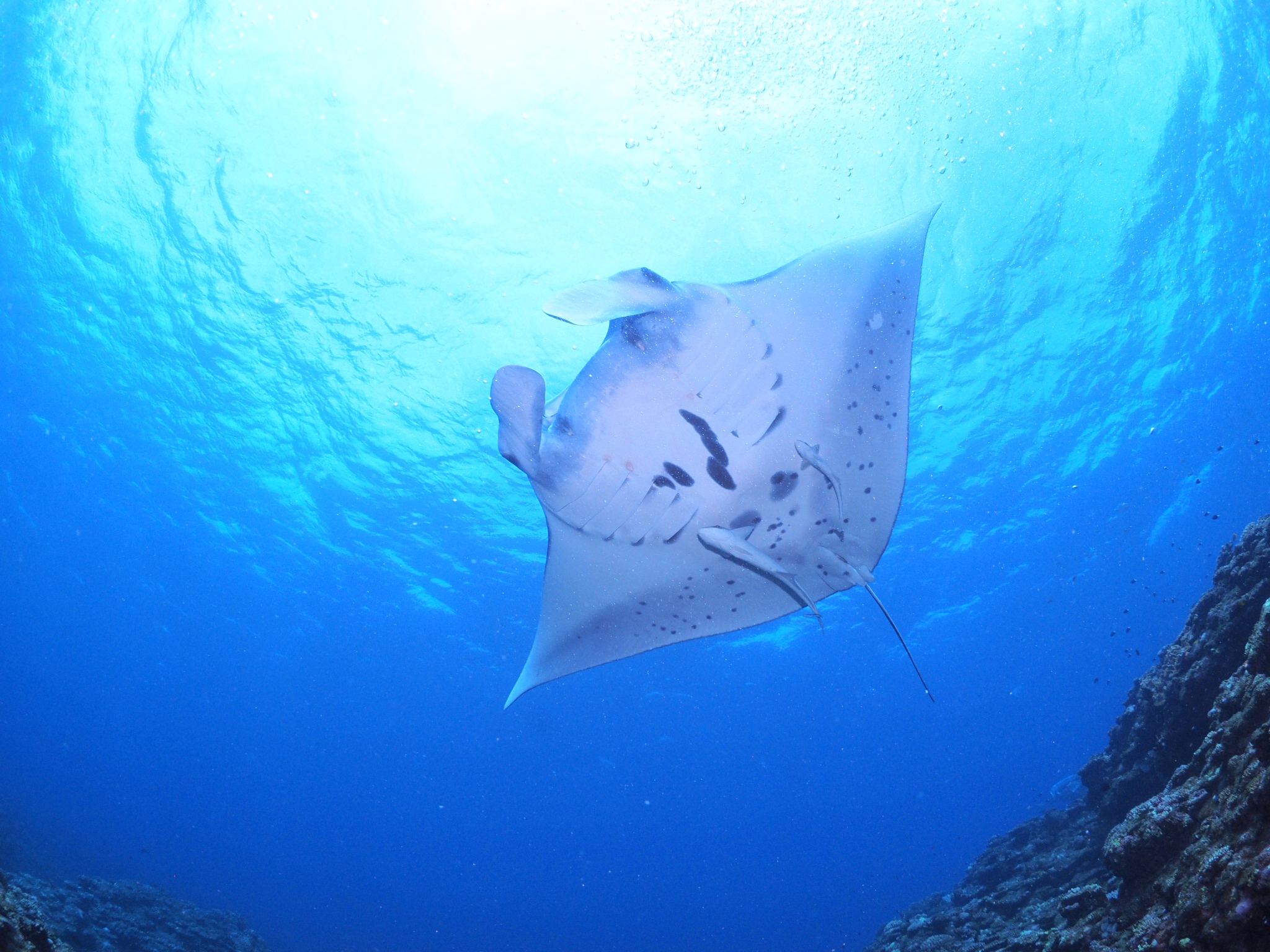
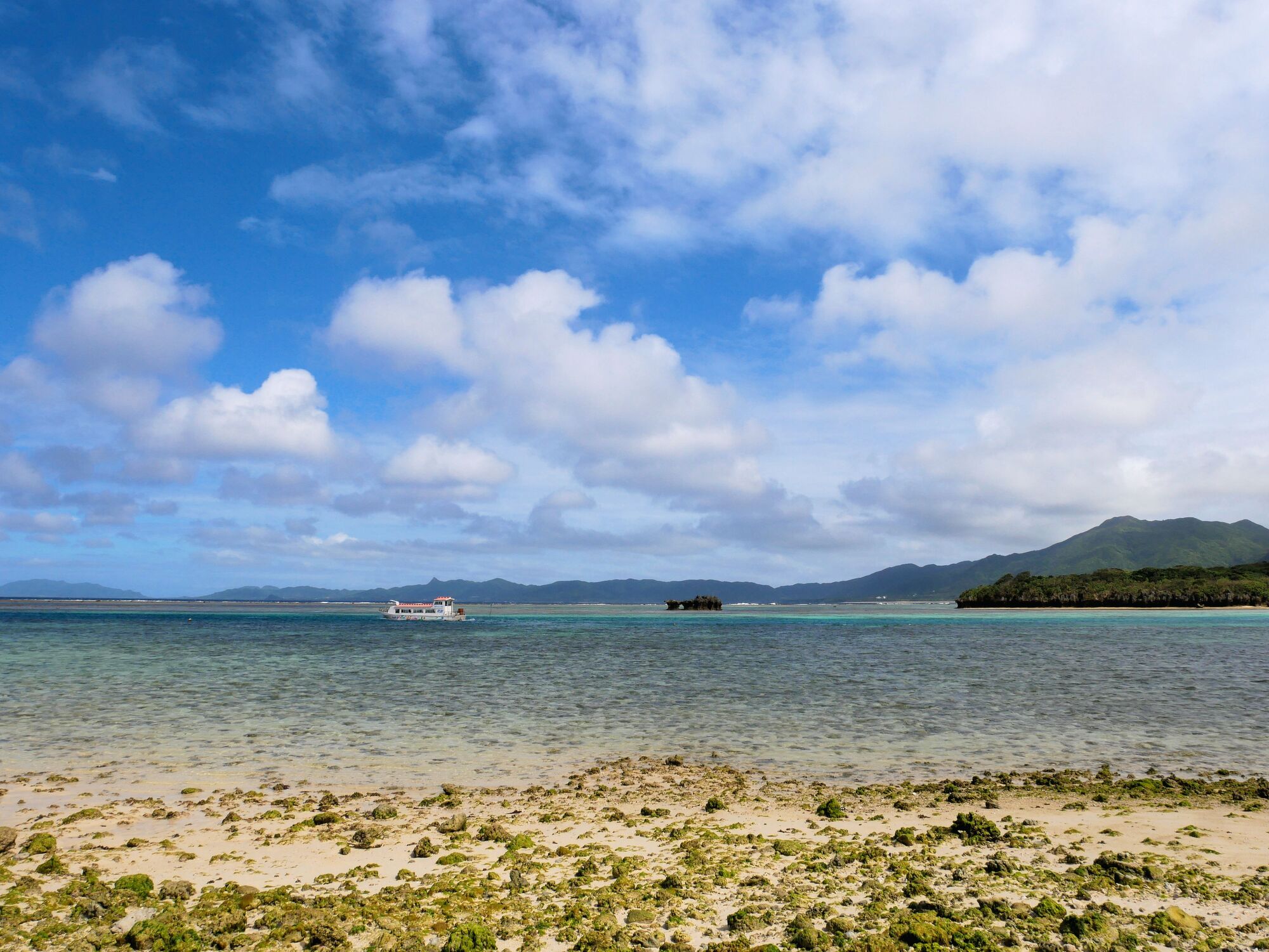
Speaking of Ishigaki, it’s manta rays! The place that spread that image throughout Japan is Kabira Ishizaki Manta Scramble. This diving point located off Kabira Bay in northwestern Ishigaki boasts one of the world’s leading manta encounter rates, a special sea area that divers and snorkelers from home and abroad long for as “want to go at least once in a lifetime.”
As long as a boat can go out, the encounter rate is said to be about 90%, and if you’re lucky, 10 or more manta can appear in a single dive. Moreover, since the water depth is relatively shallow and the current calm, the greatest strength of this point is that it can be enjoyed widely from beginners to advanced divers.
What Is Kabira Ishizaki Manta Scramble
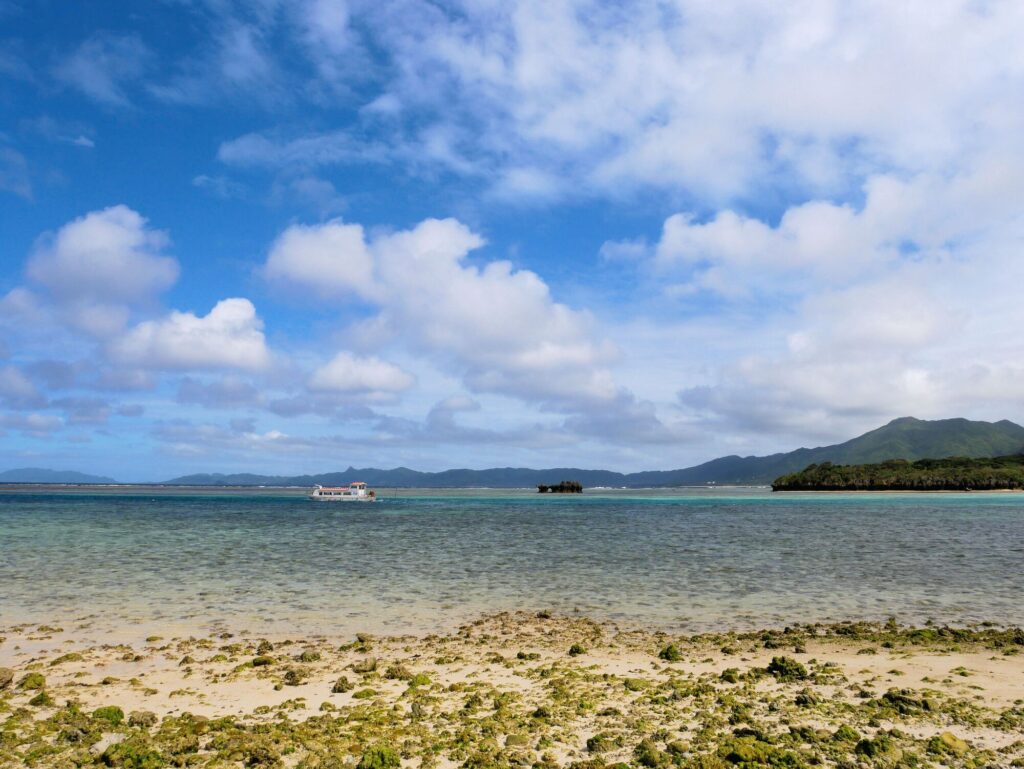
Kabira Ishizaki Manta Scramble is a diving point located about 1 km offshore of Kabira Bay in northwestern Ishigaki, a stone’s throw from Kabira Bay, which also shines with three Michelin stars. The name “Scramble” expresses that the encounter rate is so high that manta gather as if competing (scrambling).
On the wide reef spanning about 600 m east-west and about 200 m north-south, multiple manta “ne” (cleaning stations) are scattered, and where they’ll appear comes down to the guide’s experience and judgment. It’s truly the original, representative manta spot that spread Ishigaki’s manta image across all of Japan.
Basic data
| Item | Details |
|---|---|
| Official name | Kabira Ishizaki Manta Scramble |
| Location | Northwestern Ishigaki, off Kabira Bay (Kabira, Ishigaki City, Okinawa) |
| Water depth | Around 10 m on average (max depth about 25 m) |
| Current | Almost none (can occasionally get strong) |
| Difficulty | Beginner–intermediate (snorkeling/intro diving possible too) |
| Manta encounter rate | About 90% on days a boat can go out |
| Best season | April–November (Sept–Oct especially is the peak in numbers) |
| From a Kabira-area shop | About 5–10 min by boat |
| From a town-area shop | About 45–60 min by boat |
Why Manta Gather at Manta Scramble
“Why do manta gather this much here?” This is a question any diver wonders about. The key to that answer is the existence of cleaning stations.
How a cleaning station works
On the seabed of Kabira Ishizaki, “ne” (rocky reefs) rising from the sandy ground are scattered. On those reefs, cleaning fish called bluestreak cleaner wrasse live in abundance. To have these cleaning fish eat the parasites and grime on their body surface, manta perform “hovering,” slowly circling over the reefs again and again. Such places are “cleaning stations.”
At Kabira Ishizaki, untouched coral reef spreads out and cleaning fish live richly, so multiple high-quality cleaning stations form within a narrow range. When manta gather, small fish increase too; when small fish increase, manta gather even more. This virtuous cycle produces the world-leading encounter rate. Also, beyond cleaning, in autumn many manta gather for courtship behavior (the manta train) too, and particularly many individuals are observed during the breeding season.
Note that over 300 manta have been confirmed around Kabira Ishizaki, and individual identification is done by the black markings on each one’s belly (a pattern differing per individual). Manta with names per individual, like “Love” and “Hokuto,” visit this sea every year.
About Ishigaki’s manta, the “reef manta”
The manta living around Ishigaki are a type called the reef manta. There are two types of manta—the “giant oceanic manta” and the “reef manta”—and in 2009 they were found to be separate species.
| Type | Body width | Habitat | Features |
|---|---|---|---|
| Giant oceanic manta | 6–8 m | Open ocean | The world’s largest ray. Migrates the open ocean |
| Reef manta | 3–5 m (max weight about 3 t) | Around tropical/subtropical coral reefs | White around the mouth. Lives around Ishigaki |
The reef manta has a gentle, curious nature, and may approach divers without fear. However, it has a nervous side too, and when its path is obstructed or it’s startled, it leaves the spot at once. Observing quietly while observing the rules is the greatest trick to facing manta for a long time.
While observing manta, you may see a remora attached to its back or belly. Remora feed on manta’s leftovers and excrement, and sometimes you can even see them slip inside the manta’s belly—that symbiotic relationship is one of the highlights too.
Two Manta Points | The Difference Between Scramble and City
Kabira Ishizaki has two manta points: “Manta Scramble” and “Manta City (MCP).” Since each has different features, which one to go to is judged by the guide while watching the day’s sea conditions and the manta situation.
| Point name | Water depth | Features | Observation style | Rule |
|---|---|---|---|---|
| Manta Scramble | Around 10 m on average (max 25 m) | Cleaning stations scattered across a wide reef. Where the manta appears depends on the guide’s skill | Search for manta while moving among the reefs with the guide | No specific vessel-number limit |
| Manta City (MCP) | Water depth 7–9 m (shallower) | Manta almost always come back to the main reef. Even with a long wait, they come close with high probability | Wait in front of the reef and greet the manta as they come | Up to 5 vessels at a time (manta-protection rule) |
Because Manta Scramble has cleaning stations scattered over a wide range, experience and knowledge to read which reef the manta are on is needed. On the other hand, Manta City has shallow water and a habit of manta returning to the main reef, so a waiting style often lets you observe them reliably. From the standpoint of manta protection, only up to 5 vessels can enter at a time, so waiting may occur when crowded.
Options for Enjoying | Diving, Snorkeling, Intro Diving
“Is it a place you can’t enjoy without a diving license?”—we often hear this question. Rest assured. Kabira Ishizaki Manta Scramble is a point participants of various levels can join.
- Fun diving (license holders): search for manta while moving underwater with a guide. At a cleaning station, you can observe them up close and at length while holding onto the reef. The power of a manta passing overhead is exceptional
- Intro diving (no license): since an instructor accompanies you one-on-one, even the inexperienced can join. However, minimal neutral-buoyancy skill is needed, so you’re guided after a shop skill check
- Snorkeling: since manta swim at 5–10 m depth, you can observe them well even by snorkeling. It’s also said the range is wide and easy to observe. Wearing a life jacket or wetsuit is essential
In any case, solo participation isn’t possible. You always observe under the lead of a guide or instructor who knows the point thoroughly. Manta often swim at 5–10 m depth, and on days with good conditions they may approach within reach of your hand from the surface even while snorkeling.
Note that diving may create restrictions on boarding a flight the same day (due to decompression-sickness risk). Those considering joining on the last day of their trip can feel reassured choosing snorkeling.
The Best Season to Meet Manta
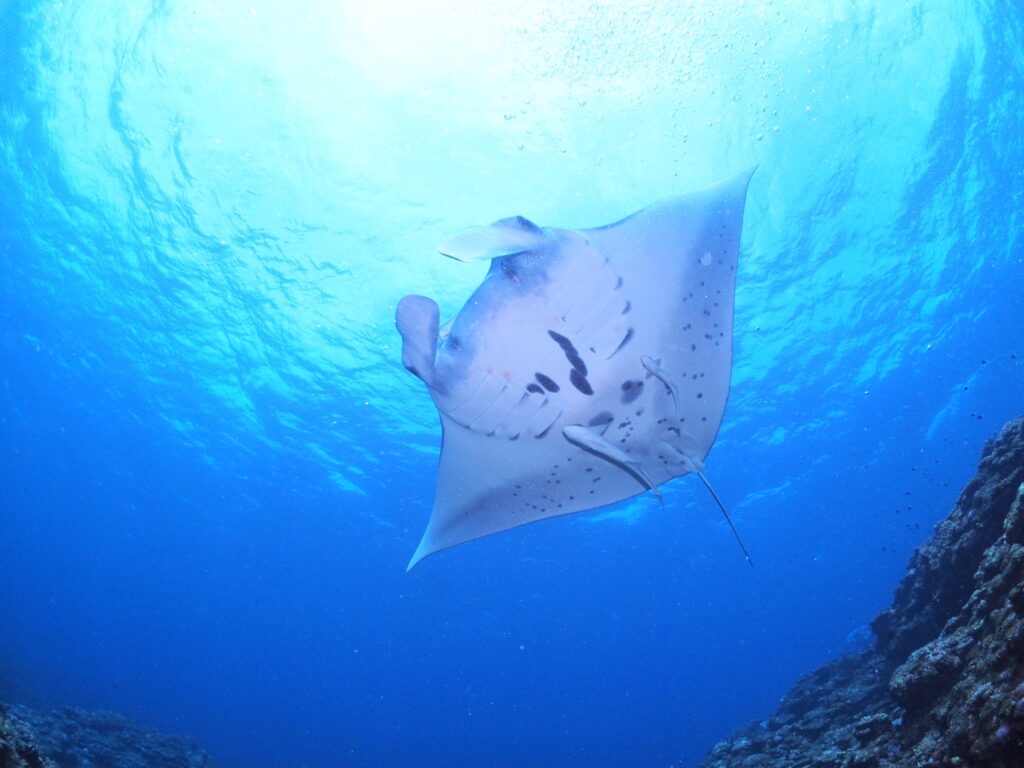
Let’s organize the season when you can meet manta at Kabira Ishizaki Manta Scramble and each one’s features. Manta live in this sea area year-round, but in winter when the north wind grows strong, days when a boat can’t go out to the point increase.
| Period | Sea conditions | Manta situation | Recommendation |
|---|---|---|---|
| March–May | South wind starts to increase, the sea becomes stable | Numbers aren’t many, but days you can go to the point increase. For those who definitely want to go | ★★★☆☆ |
| June–August | South wind, stable weather. The highest probability of being able to go to the point | Encounter possible with high probability. Especially July–August has a high rate | ★★★★☆ |
| September–October | Typhoon season, but calm days are excellent conditions | Peak in numbers. A chance to see the manta train (courtship) or a grand dance | ★★★★★ |
| November–February | North wind strong, many days you can’t go to the point | Access to the Kabira area is difficult. Often switched to manta observation at Kuro Island or Aragusuku Island | ★☆☆☆☆ |
For those who definitely want to meet manta, we recommend visiting in June–August, when the sea is stable and the probability of going to the point is high, and September–October, when numbers are highest. Especially September–October is the breeding season, and you may see the “manta train” of multiple males chasing a female, or a “grand dance” of 10 or more appearing at once.
Note that on Ishigaki, south wind blows on many days in summer and north wind in winter, and since the Kabira area is on the north side, on strongly north-windy days a boat can’t go to the point. Care is needed in the period when the seasonal wind called “kaachibai,” signaling the end of the rainy season, blows, as the sea tends to be rough then too.
Also, the 10:00–14:00 time slot is said to have a particularly high manta encounter rate. Choosing a tour that joins from the morning raises the chance of entering the point in the best time slot.
Manta Observation Rules and Cautions
At the Kabira Ishizaki manta point, the Yaeyama Diving Association (a general incorporated association) has set up a Manta Conservation Committee and established rules for using the point. These apply not only to operators but to every diver and snorkeler who visits. They are a promise to pass on to the next generation a “sea where manta will keep appearing for years to come.” A guide will explain them if you join a tour, but having them in mind beforehand makes the day go smoothly.
How to Behave Around Manta|What You Must Not Do
As a basic premise, any act of approaching or provoking a manta from your side is off-limits. They are gentle creatures, but they have a nervous side too, and an incautious approach will send them away.
- Don’t touch or chase: touching a manta, following it, blocking its path, or making it change direction is prohibited
- Don’t get too close: even when you can see a manta, don’t approach it yourself — the rule is to stay put and observe
- Don’t swim directly above: while moving, don’t swim higher than the guide, and take care not to obstruct the manta’s path
- Don’t wait on the reef: waiting on or passing over the reef (ne) where manta hover to be cleaned is prohibited — always go around it
- Don’t call with sound: don’t use acoustic signals such as banging your tank or sounding a dive alert to signal a manta sighting (except in emergencies)
If you meet a manta while moving, stop first. That is the golden rule. Rather than rushing closer, watching quietly lets the manta relax and stay longer — which, in turn, means more time for you to observe it carefully.
Diving Rules
For both fun diving and intro diving, you dive under a guide’s lead according to the following rules.
- A briefing is always given beforehand, and a guide who knows the point thoroughly accompanies you
- The guide moves slowly so that guests don’t get out of breath
- Don’t move over or wait on the reef where manta hover — always go around it
- Drift dives, and searching for manta by towing divers on a rope from the boat, are prohibited
- At Manta City (MCP), to protect the manta, up to five boats at a time are allowed; anchors are dropped at one of the designated five spots
Snorkeling Rules
Snorkeling is more casual than diving, but the rules are just as strict.
- Always receive a briefing and snorkel instruction/practice beforehand
- A staff member who knows the point thoroughly always accompanies you, and you always act as a group (acting alone is prohibited)
- Skin diving (free diving) is prohibited. Avoid treading water as much as possible; hold onto a float and keep a face-down position
- Observing on or passing over the reef where manta hover is prohibited. Considering the wind and current, approach the reef from the downstream side
- Always wear a wetsuit or a life jacket
Other Etiquette
Small considerations to protect the whole sea area matter, too.
- Using the point by kayak or personal watercraft is prohibited
- Avoid using the toilet at the point as much as possible, and never flush used paper into the sea
- Don’t drop an anchor on the reef where manta hover
- For sunscreen, choose a “reef-safe” type that is considerate to coral and marine life
These rules are by no means “restrictive.” They are the wisdom that lets manta show their natural selves without stress. The more a sea is full of rule-abiding divers, the more readily manta gather in peace — and the higher the encounter rate stays as a result. Each person’s small consideration is what sustains one of the world’s foremost manta points.
Summary|Keep the Rules and Have a Once-in-a-Lifetime Manta Experience
Kabira Ishizaki Manta Scramble is the sacred ground of Ishigaki manta diving, boasting one of the highest encounter rates in the world. Because the water is shallow and the current gentle, you can enjoy the graceful form of the gentle reef manta up close — not only on fun dives, but on intro dives and while snorkeling, too.
The best seasons are June to August, when the sea is stable and the odds of reaching the point are high, and September to October, when numbers peak. If you want to be sure of an encounter, scheduling two or more days of diving is reassuring. In winter, north winds mean more days when you can’t reach the point, so it’s common to switch to manta observation in other areas such as Kuroshima or Aragusuku-jima during that time.
And above all, what matters most is keeping the manta-conservation rules set by the Yaeyama Diving Association. Keep “don’t touch, don’t chase, don’t swim directly above” in mind, follow your guide’s instructions, and observe quietly — and the manta will surely show you their finest form. Keeping the rules protects your own safety and helps carry this miraculous sea into the future. With that spirit, do head out for a manta experience you’ll never forget.
Book Your Rental Car Here


※For pick-ups or returns outside of business hours, please contact us by phone.
Access
Ishigaki Island Mirais Rent a Car Ishigaki Airport Branch
783-1 Shiraho, Ishigaki City, Okinawa 907-0242, Japan
*The address above shows a wide area. For the exact location, please click “View larger map” or “Open in Google Maps.”
Ishigaki Island Mirais Rent a Car Ishigaki Downtown Branch
704 Tonoshiro, Ishigaki City, Okinawa 907-0004, Japan
*The address above shows a wide area. For the exact location, please click “View larger map” or “Open in Google Maps.”
