
Chorinji | Ishigaki, Oldest Zen Temple in Yaeyama, Nio Statues, Goshuin & Access Guide
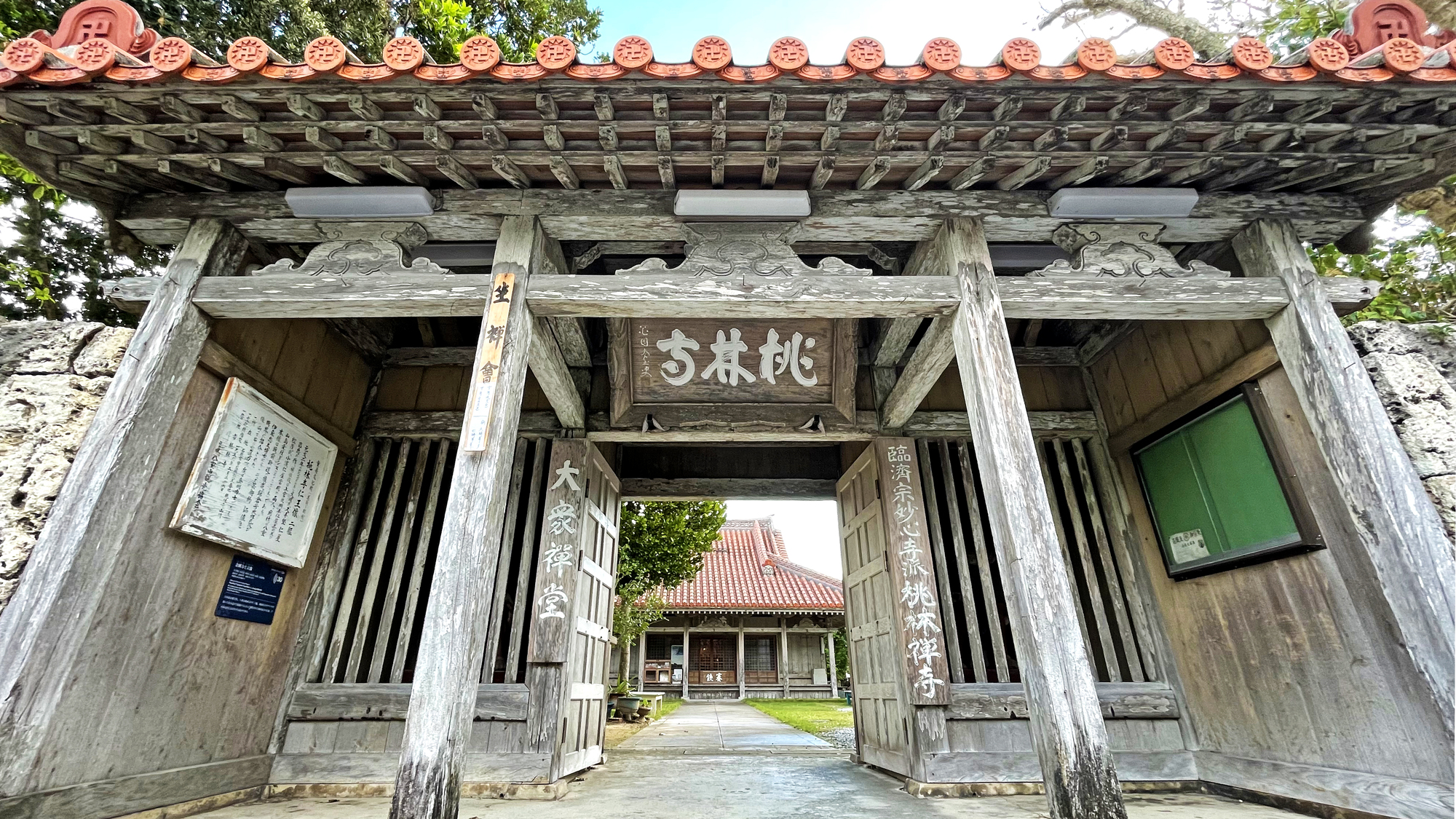
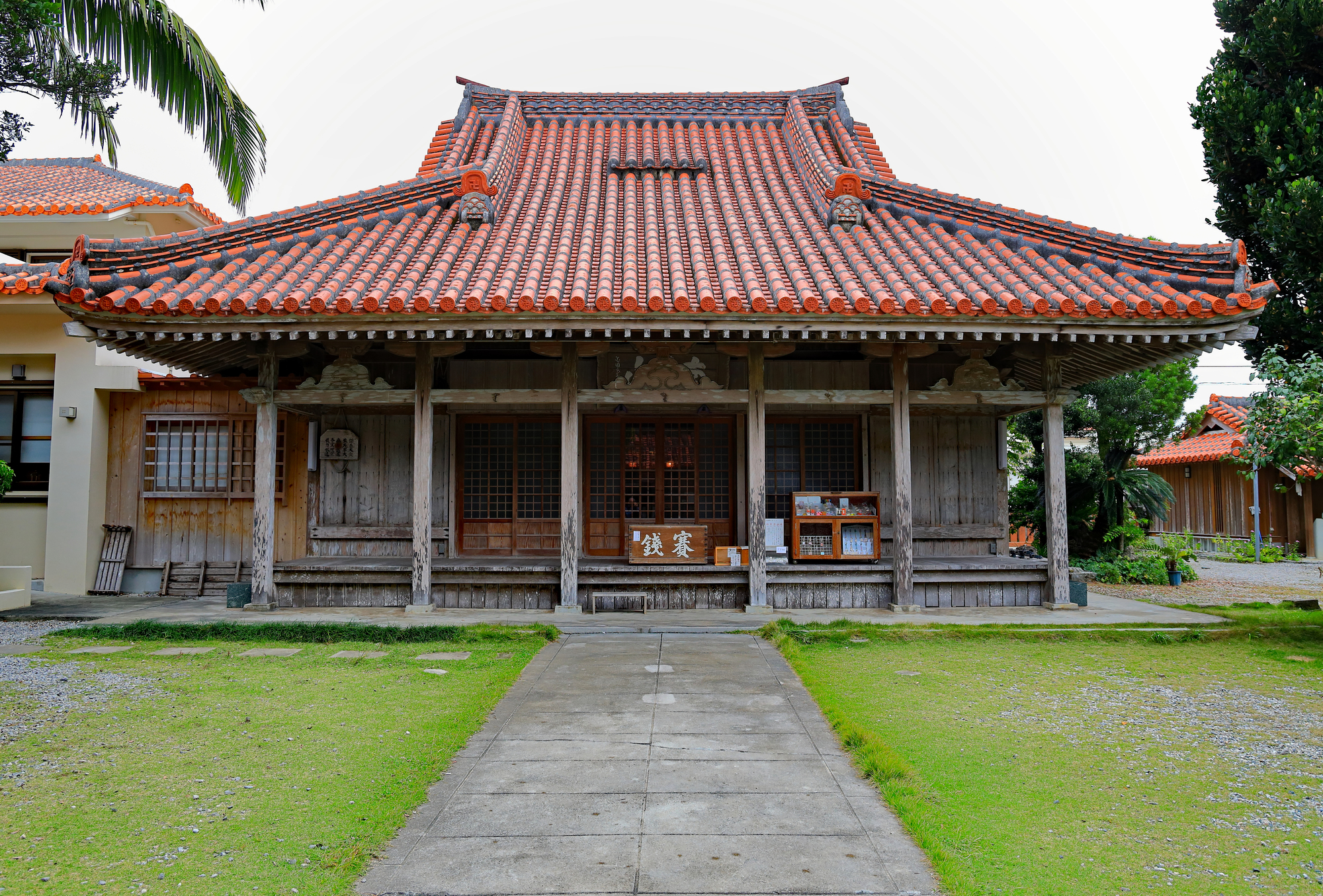
In Ishigaki’s town, about a 15-minute walk from the remote-island terminal. “Chorinji,” whose red-tile-roofed temple gate catches the eye, is Yaeyama’s oldest / Japan’s southernmost temple, founded in 1614 (Keicho 19). A Zen temple of the Rinzai sect Myoshin-ji school, with the mountain name Nankai-zan. Holding the Nio statues, the oldest existing wooden sculptures in Okinawa Prefecture, and from a history of miraculously reviving from disasters, it gathers popularity with tourists too as a “power spot of revival from the brink of death.”
A temple of strong will, rebuilt each time even after collapsing in the Great Meiwa Tsunami and suffering war and typhoon damage. Together with the adjacent Gongendo, it’s a must-visit spot of town sightseeing, where you can experience the center of Yaeyama’s faith culture. In this article, we’ll deliver a complete guide to Chorinji’s appeal, history, Nio statues, access, and goshuin.
What Kind of Place Is Chorinji? Japan’s Southernmost / Yaeyama’s Oldest Zen Temple
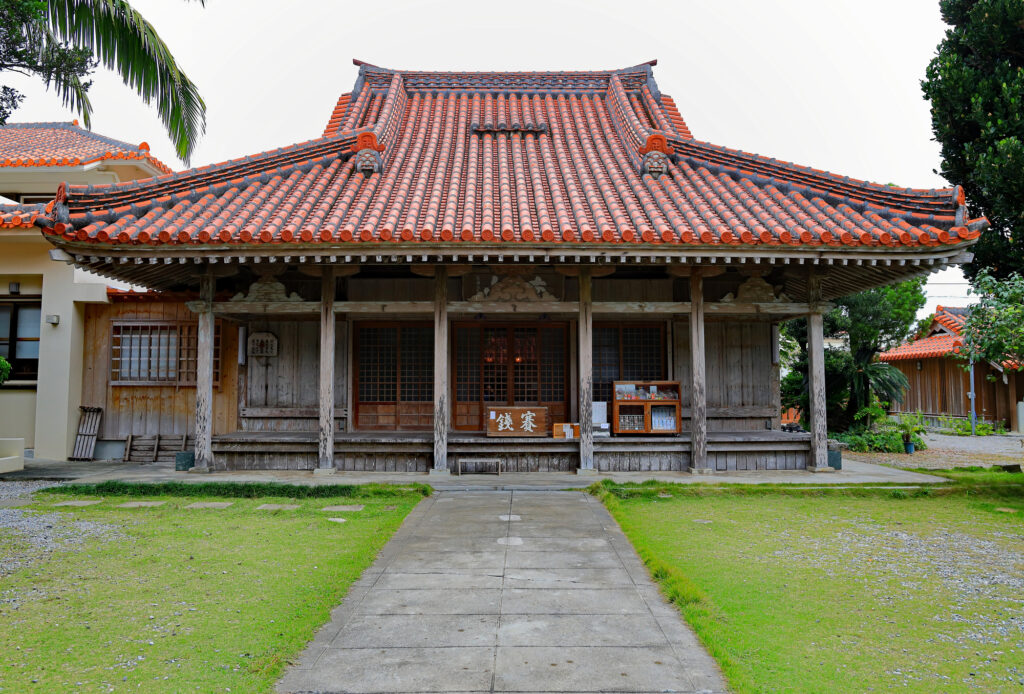
Chorinji is a Zen temple of the Rinzai sect Myoshin-ji school in the town of Ishigaki City, Okinawa. In 1614 (Keicho 19), following the Satsuma domain’s recommendation to the Ryukyu Kingdom’s King Sho Nei to build temples and shrines, it was founded together with the adjacent Gongendo. At the time, the Yaeyama islands had no shrines or temples at all, so this was an important event that became the beginning of shrine and temple construction in Yaeyama.
About 400 years since its founding—Chorinji is “Japan’s southernmost temple” and continues to be the center of Ishigaki’s history and faith as “Okinawa Prefecture’s oldest wooden architecture.” The good access of being in the town center, easy to incorporate into a sightseeing route, is appealing too.
A history of overcoming the Great Meiwa Tsunami, war, and typhoons
Chorinji’s 400-year history was also a history of battle with disasters.
| Era | Event |
|---|---|
| 1614 | Founded (simultaneously with Gongendo) |
| 1737 | Nio statues made |
| 1771 | Collapsed in the Great Meiwa Tsunami; the Nio statues were swept away too |
| 1772 | Rebuilt the following year |
| 1786 | Gongendo rebuilt too |
| 1881 | Chorinji renovated |
| 1956 | The Nio statues designated cultural properties (later prefecture-designated tangible cultural properties) |
| 1968 | Rebuilt into the present main hall |
| 1981 | Gongendo becomes a nationally designated Important Cultural Property |
| 1993–94 | Full-scale conservation and repair of the Nio statues in Kyoto |
The history of reviving like a phoenix from disasters time and again is the reason it’s beloved as a “power spot of revival from the brink of death.”
Chorinji Highlights | Okinawa’s Oldest Nio Statues and the Red-Tile Temple Gate
Okinawa Prefecture’s oldest wood carvings | the Nio statues
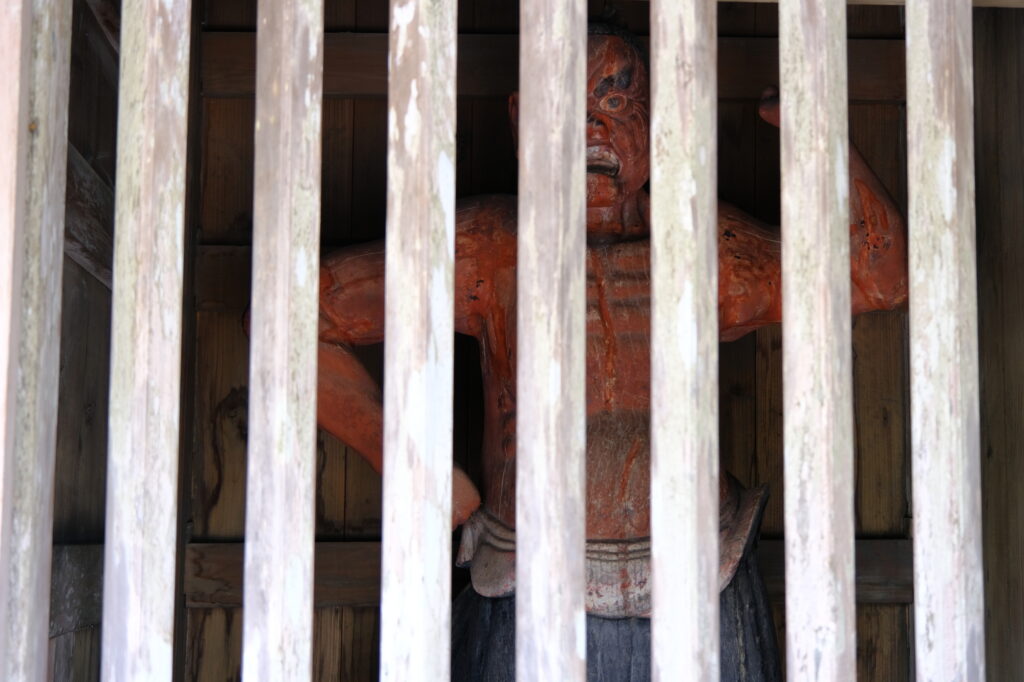
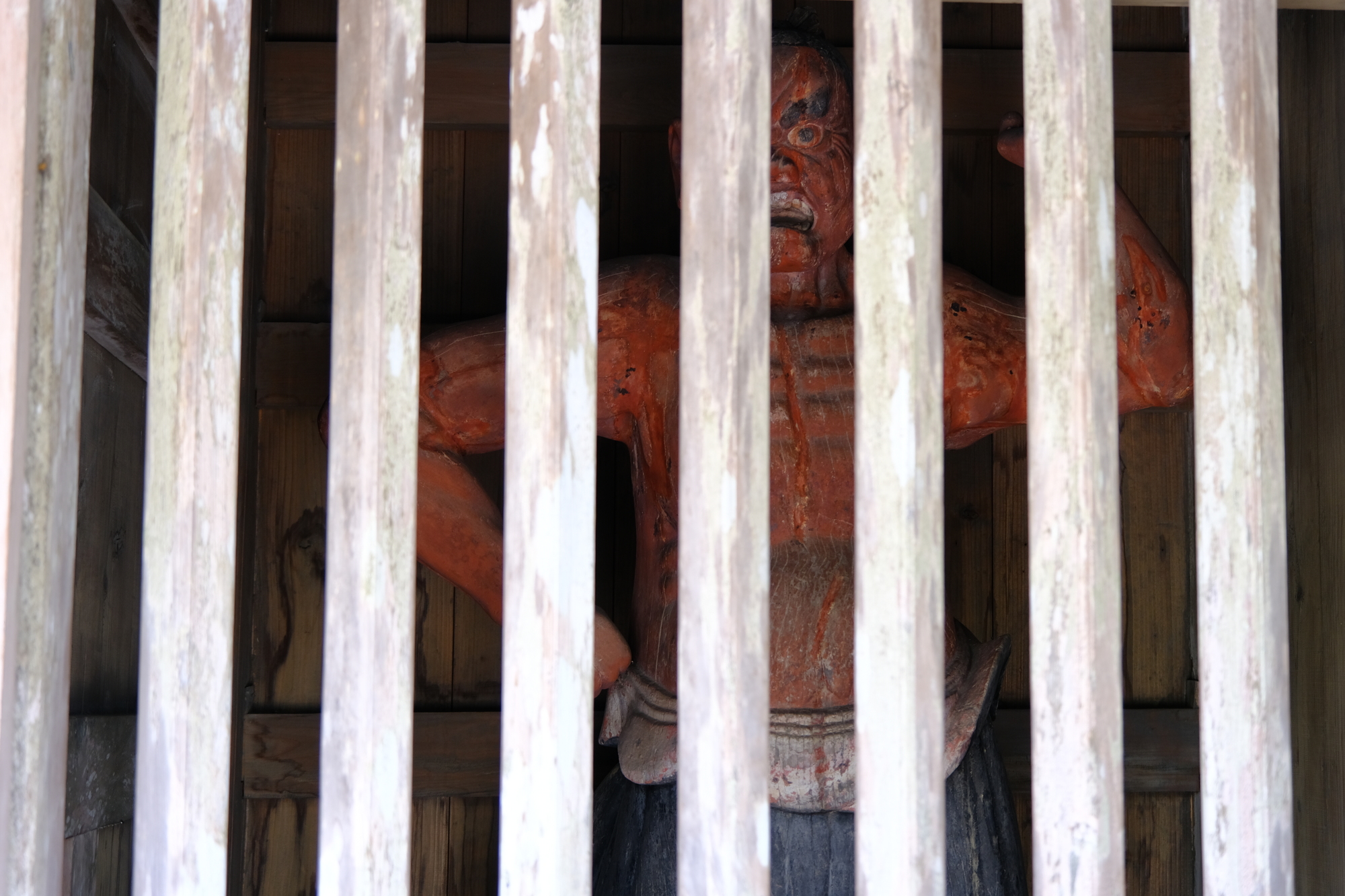
Chorinji’s greatest highlight is the 2 Nio statues (Kongo Rikishi statues) standing on both sides of the temple gate. Made in 1737 (Genbun 2) centered on Kudeken Shochu, they are the oldest existing wooden sculptures in Okinawa Prefecture. A joined-wood construction using island-grown ogatama-no-ki, colored and full of powerful force.
Of the 2 statues, one is an agyo statue with an open mouth, the other an ungyo statue with a closed mouth. The agyo showing anger outwardly, and the ungyo hiding anger—the contrasting 2 statues keep watch as guardian deities protecting Chorinji.
The Nio statues that miraculously returned from the tsunami
In the Great Meiwa Tsunami of 1771, the Nio statues were swept away too. However, both statues were found washed up on Sakieda Coast in northwestern Ishigaki, and miraculously returned to Chorinji. Since their hands and feet were damaged, they were stored at the kuramoto (administrative office), but in later years were repaired by Ohama Zenko and again enshrined in the present temple gate.
This miraculous story has raised Chorinji’s fame as a power spot where you can receive the divine virtues of “revival from the brink of death” and “warding off evil.”
The Ryukyu red-tile-roofed temple gate
Chorinji’s temple gate has used Ryukyu red tiles since the time of founding. An Okinawa-traditional tile fired by kneading kucha and red soil together, characterized by being hard to break and highly durable. The contrast of the red tiles giving off a uniquely Okinawan atmosphere and the powerful Nio statues creates a beautiful landscape unique to Chorinji.
Gongendo | a nationally designated Important Cultural Property
Gongendo, adjacent to Chorinji, was founded in 1614 at the same time as Chorinji. A sacred hall enshrining Kumano Gongen, it’s regarded as important as the beginning of shrine and temple construction in Yaeyama. Designated a nationally designated Important Cultural Property in 1981, it’s a precious structure, the only one remaining in Okinawa Prefecture, which lost many traditional structures in the war.
You can receive goshuin and amulets too
At Chorinji, you can be granted goshuin and amulets. The only 2 places where you can receive goshuin within the Yaeyama Islands are Chorinji and the Izumo Taisha Sakishima Hongu in the Shiraho area. It’s a precious spot for goshuin collectors. Putting the amulet fee in the offering box is a culture unique to Ishigaki.
Chorinji Basic Information / Access
| Item | Details |
|---|---|
| Location | 285 Ishigaki, Ishigaki City, Okinawa |
| Sect | Rinzai sect Myoshin-ji school |
| Mountain name | Nankai-zan |
| Founded | 1614 |
| Worship hours | 9:00–17:00 (guide) |
| Closed | None |
| Worship fee | Free |
| Parking | Yes (free, few spaces) |
| Nio statues | Okinawa Prefecture-designated tangible cultural property |
| Gongendo | Nationally designated Important Cultural Property |
| Departure point | Time needed |
|---|---|
| New Ishigaki Airport | About 20 min by car |
| Ishigaki Port Remote-Island Terminal | About 15 min on foot |
| Euglena Mall | About 8 min on foot |
| City Hall Street | About 5 min on foot |
Nearby Spots to Enjoy Together with Chorinji
Gongendo | a nationally designated Important Cultural Property
Right next to Chorinji. Worshipping as a set is common, and you can experience Yaeyama’s history and faith all at once.
Miyara Dunchi | a Ryukyu samurai residence
Miyara Dunchi, about 8 minutes on foot from Chorinji. A national Important Cultural Property samurai residence and a national place of scenic beauty dry-landscape garden can be enjoyed, ideal for a history-strolling course of the town.
Euglena Mall | souvenir hunting
Euglena Mall, about 8 minutes on foot from Chorinji. Ishigaki’s largest shopping street, where souvenirs, gourmet and shopping are all there.
Chorinji FAQ
Can I do hatsumode?
Yes, it gets very crowded with locals and tourists as a hatsumode spot. Popular next to Tomisaki Kannon-do, at year’s end you can savor a solemn atmosphere where the sound of the belfry’s bell echoes.
Can I get goshuin?
Yes, at Chorinji you can be granted goshuin. The only 2 places where you can receive goshuin in the Yaeyama Islands are Chorinji and Izumo Taisha Sakishima Hongu.
How long does it take?
Worship and Nio-statue viewing is 15–30 minutes. Even as a set with Gongendo, 30–45 minutes is enough to enjoy it.
What are the divine virtues as a power spot?
From a history of being rebuilt time and again from great-tsunami, war and typhoon damage, it’s known for the divine virtues of revival from the brink of death / warding off evil.
Summary | Worship at Chorinji, Japan’s Southernmost / Yaeyama’s Oldest Zen Temple
Chorinji is Japan’s southernmost / Yaeyama’s oldest Zen temple, founded in 1614. The Nio statues, Okinawa Prefecture’s oldest wood carvings; the revival-from-the-brink-of-death story of miraculously returning from the Great Meiwa Tsunami; the adjacent nationally designated Important Cultural Property Gongendo—it’s a special place where 400 years of history and faith live and breathe.
With the good access of about 15 minutes on foot from the remote-island terminal and about 8 minutes on foot from Euglena Mall, you can drop by casually amid town sightseeing. On your next Ishigaki trip, be sure to visit to receive the power of revival from the brink of death.
Book Your Rental Car Here


※For pick-ups or returns outside of business hours, please contact us by phone.
Access
Ishigaki Island Mirais Rent a Car Ishigaki Airport Branch
783-1 Shiraho, Ishigaki City, Okinawa 907-0242, Japan
*The address above shows a wide area. For the exact location, please click “View larger map” or “Open in Google Maps.”
Ishigaki Island Mirais Rent a Car Ishigaki Downtown Branch
704 Tonoshiro, Ishigaki City, Okinawa 907-0004, Japan
*The address above shows a wide area. For the exact location, please click “View larger map” or “Open in Google Maps.”
